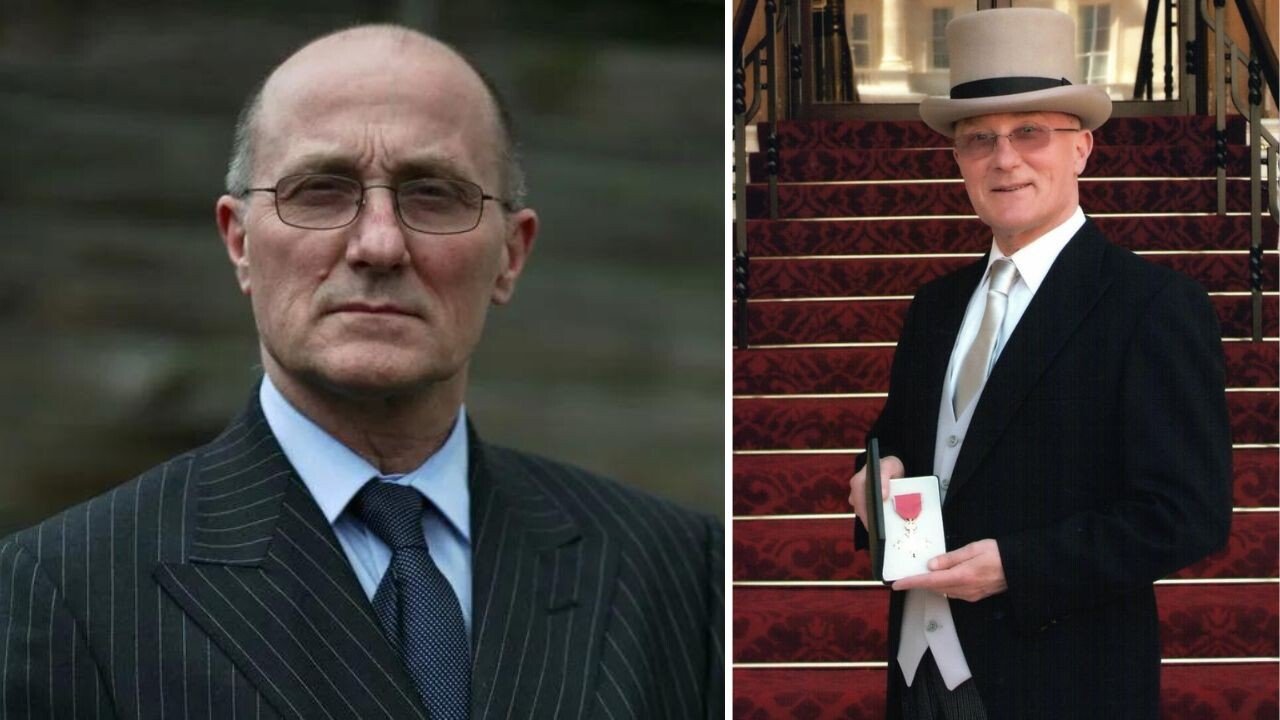
Bobby Cummines was a British prison reform campaigner, author and former chief executive of Unlock. After serving prison sentences for serious offences, he built a public career helping people with criminal records rebuild their lives. Education, employment and practical support became central to his work. He gave evidence to parliamentary committees, served as a specialist adviser to the Zahid Mubarek inquiry and received an OBE.
| Field | Details |
|---|---|
| Full name | Robert Cummines |
| Nationality | British |
| Public roles | Prison reform campaigner and author |
| Charity leadership | Former chief executive of Unlock |
| Honour | Officer of the Order of the British Empire (OBE) |
| Educational recognition | Honorary Master of the University, Open University |
| Books | I Am Not A Gangster and The Parkhurst Years |
Bobby Cummines’ Death and the Circumstances
Bobby Cummines died in March 2026, aged 74. Reputable reporting described his death in hospital following injuries sustained in a road collision in Brentwood, Essex, where he had been struck by a car.
Unlock published a tribute on 10 March, recognising his leadership and contribution to supporting people with criminal records. The charity remembered his work challenging prejudice and strengthening the involvement of people with experience of the criminal justice system in discussions about reform.
His Criminal Past and Years in Prison
Born on 23 November 1951, Cummines came from north London. His criminal history included convictions for armed robbery and manslaughter, and he spent more than a decade in prison, including periods at Parkhurst.
He acknowledged his involvement in serious and violent crime in interviews and autobiographical writing. His later public work drew on those experiences, including his understanding of prison conditions and the difficulties people encountered after release.
How Prison Education Changed His Life
During his imprisonment, Cummines began studying through the Open University. He later credited education with changing how he understood his actions and the possibilities for his future.
He recalled that fellow prisoner Charlie Richardson had encouraged him to study. Supportive prison officers also played a part. In evidence to Parliament, Cummines described how compassionate treatment from individual staff members had altered his attitude towards authority and encouraged him to engage with education.
These experiences became the foundation of his commitment to rehabilitation. When discussing his own change of direction, he repeatedly returned to the importance of learning and receiving constructive support.
Bobby Cummines’ Leadership at Unlock
As chief executive of Unlock, Cummines worked on the barriers facing people with criminal records. Employment and the practical requirements of returning to work were prominent concerns.
One significant area was access to basic banking services. Someone leaving prison could struggle to receive wages without a bank account, creating an obstacle even after finding a job. Cummines helped lead efforts to address that problem.
Unlock began its banking project in 2005, developing arrangements with banks and prisons to help people obtain accounts. The work continued across several years and involved colleagues and partner organisations, with further progress after his leadership ended.
His role at the charity gave him a platform to explain how difficulties after release could undermine attempts to establish a stable working life.
His Contribution to Prison Reform and Government Policy
Cummines contributed to formal discussions about imprisonment and rehabilitation. He appeared before the House of Commons Welsh Affairs Committee in 2006 and gave evidence to the Justice Committee’s examination of the role of prison officers in 2009.
He also served as a specialist adviser to the inquiry into the death of Zahid Mubarek at Feltham. His involvement brought the perspective of someone with personal experience of imprisonment into institutional discussions.
Outside parliamentary work, he spoke to young people about the consequences of crime. A Guardian report in 2007 documented his educational visits to schools, where he discussed imprisonment and the choices that could lead to it.
In May 2011, he participated in an Irish Penal Reform Trust event in Dublin addressing criminal records and discrimination.
OBE Recognition and Educational Honours
Cummines was appointed an Officer of the Order of the British Empire in the 2011 New Year Honours. The official government record recognised his services to reformed offenders and identified his role as chief executive of Unlock.
His investiture at Buckingham Palace followed in June 2011. He later discussed receiving the honour in an interview with Inside Time.
On 31 March 2012, the Open University awarded him the honorary distinction of Master of the University. The recognition came from the institution whose educational opportunities he had credited with helping him change his life during imprisonment.
Bobby Cummines’ Books and Personal Accounts
Cummines published I Am Not A Gangster in 2014 and The Parkhurst Years in 2017. Both books appear in the official catalogue of Penguin Random House’s Ebury publishing division.
His autobiographical writing recounted his criminal past and experiences of imprisonment. It provided a personal account of the events and encounters he considered important to his life.
The books sit alongside his interviews as accounts in his own voice. Their descriptions of individual incidents represent his recollections, rather than independent findings about every event discussed.
Interviews and His Views on Rehabilitation
In a 2001 Guardian interview, Cummines described the difficulties he faced finding employment after prison. He said employers’ responses to his criminal record had made securing work particularly challenging. Support from others and a willingness to accept different jobs helped him establish a lawful working life.
His 2023 interview with Inside Time returned to the choices involved in personal change. He encouraged prisoners to pursue education, listen to constructive advice and accept responsibility for their future.
Cummines also wanted recognition for the work he had undertaken after leaving prison. In his Guardian obituary, criminologist Dick Hobbs recalled a conversation in which Cummines expressed frustration that public attention continued to concentrate on his criminal history. He wanted his contribution to rehabilitation to receive proper attention.
Bobby Cummines’ Family and Personal Challenges
Cummines spoke publicly about his two daughters. In his 2023 Inside Time interview, he discussed the death of one daughter and the grief that followed. He also described eventually returning to his professional work after that loss.
The Guardian’s obituary named his surviving daughter, Sophie, and his partner, Jayne. These publicly documented details provide a brief account of his family alongside the professional life he discussed more extensively.
Bobby Cummines’ Legacy in Prison Reform
Cummines’ contribution to rehabilitation included charity leadership, parliamentary evidence, educational talks and efforts to remove practical barriers after imprisonment. His work connected public discussion about reform with everyday needs, including finding employment and receiving wages.
His criminal history remained part of his biography, but his subsequent public service formed a substantial chapter of its own. Unlock’s tribute recognised that contribution, remembering his efforts to help people with criminal records participate more fully in society.
You may also read: Gloria Hunniford: Broadcasting Career, Family, Health and Achievements.
1 Comment