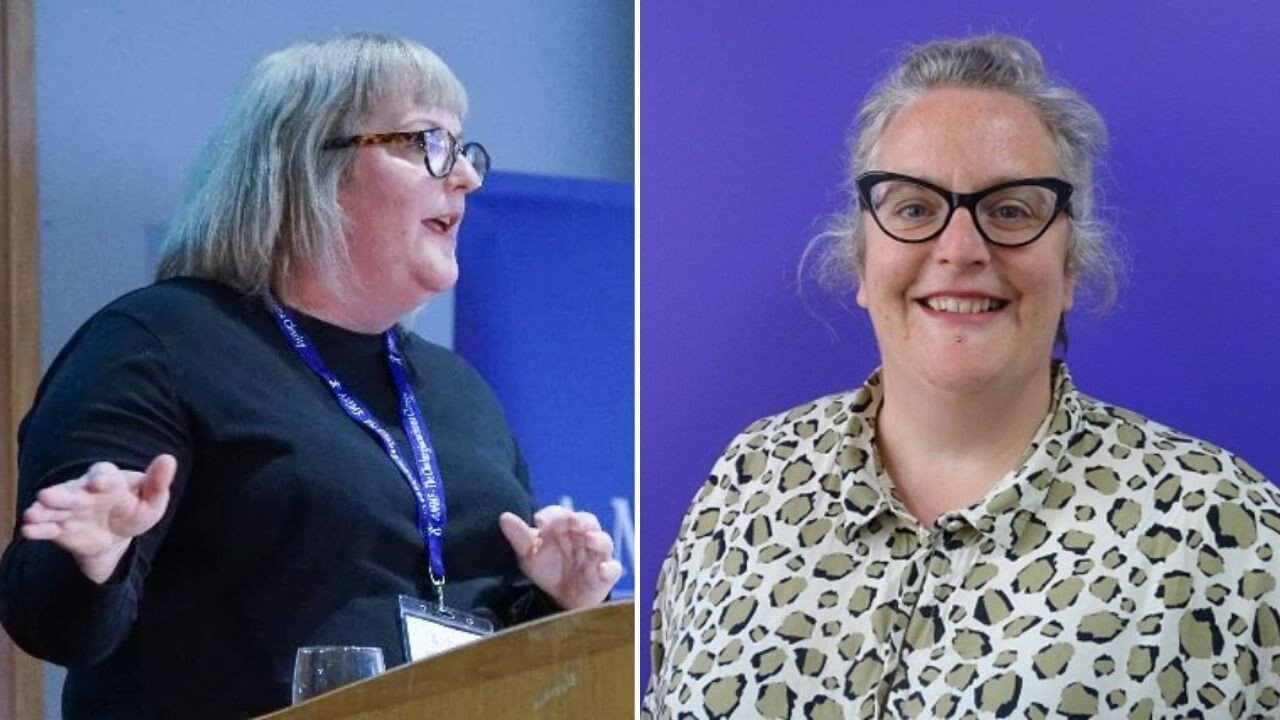
Lynne McCallum is a specialist nurse at Pancreatic Cancer UK whose work spans patient support, professional education and research. Her clinical experience includes chemotherapy services and specialist nursing for people with hepatopancreatobiliary (HPB) cancers and neuroendocrine tumours.
Alongside supporting people affected by pancreatic cancer, she has helped develop a national network for specialist nurses and contributed to studies examining treatment and nursing practice. Her professional activities also include teaching healthcare professionals and representing specialist nursing within national audit work.
| Field | Details |
|---|---|
| Name | Lynne McCallum |
| Profession | Specialist pancreatic cancer nurse |
| Organisation | Pancreatic Cancer UK |
| Nursing education | University of Nottingham |
| Previous workplace | The Christie, Manchester |
| Clinical experience | Chemotherapy, HPB cancers and neuroendocrine tumours |
| Professional leadership | Chair of the National HPB Nurse Group |
Nursing Training and Specialist Work at The Christie
McCallum qualified as a nurse at the University of Nottingham in 2003. Her early experience included inpatient and outpatient chemotherapy services, where she worked as a chemotherapy nurse and chemotherapy sister.
From 2011 to 2017, she served as a Clinical Nurse Specialist at The Christie in Manchester, supporting people with HPB cancers and neuroendocrine tumours. Her responsibilities extended across diagnosis, treatment planning, treatment reviews and ongoing care.
This work involved helping patients understand their circumstances and supporting them through different stages of treatment. Her later reflections on specialist nursing describe the communication and practical assistance involved in that role.
Joining Pancreatic Cancer UK in 2017
In 2017, McCallum joined Pancreatic Cancer UK as a specialist nurse. Through its nursing support services, she provides information and support to people affected by pancreatic cancer.
The move brought her hospital experience into a charity-based role focused on specialist guidance. Her work also extends to healthcare professionals through educational sessions and resources covering treatment, communication and supportive care.
Official organisational profiles and professional event records from 2026 continue to identify her with Pancreatic Cancer UK.
Establishing and Leading the National HPB Nurse Group
McCallum helped establish the National HPB Nurse Group in 2017. The group supports professional networking, specialist education and the exchange of knowledge among nurses working in this field.
National audit documentation identifies her as its chair, while records from the Pancreatic Society of Great Britain and Ireland also list her as a committee member. These responsibilities connect her clinical experience with wider work on nursing practice and professional development.
The group provides a setting for specialist nurses to share knowledge and contribute to the development of their field. Its activities include the national audit examining HPB nursing across the UK and Ireland.
Research Contributions and National Cancer Audits
McCallum co-authored the PanDA study, published in Cancers on 13 April 2023. It examined the prevalence, assessment and treatment of pancreatic exocrine insufficiency in patients with inoperable pancreatic malignancy.
Her research contributions also include the 2025 national audit of HPB nursing practice across the UK and Ireland. The associated paper, UK and Ireland hepatopancreatobiliary (HPB) nursing: an audit of practice, was published in Frontline Gastroenterology on 19 March 2026.
The audit examined the scope and contribution of specialist nursing, addressing gaps in published information about these roles. It sought to provide evidence that could inform professional development and workforce planning. McCallum was one of the authors contributing to the work.
Separately, the National Cancer Audit Collaborating Centre lists her as a member of the National Pancreatic Cancer Audit Clinical Reference Group. Her membership provides specialist nursing representation through her connections with the National HPB Nurse Group and Pancreatic Cancer UK.
Her Views on Patient Care and Nursing
In a Cancer52 report shared by AMMF in July 2017, McCallum explained that she had wanted to work in cancer nursing since qualifying. She also acknowledged the difficulties involved in supporting people with serious illness, including those approaching the end of life.
Her account placed particular emphasis on listening, clear communication and patient advocacy. She described the importance of helping people understand unfamiliar medical language and complicated information about their diagnosis and treatment. Advocating for patient wellbeing, she explained, could sometimes involve challenging decisions.
Difficult conversations were another part of her work. She discussed helping patients consider future care and express their preferences, while respecting how much information each person wanted to receive. She also identified relatives and carers as people who needed support, and recognised room for improvement in services for families.
The report included a first-hand account from patient Matt Schofield, who described the explanations, reassurance and practical assistance she provided during his care at The Christie. His testimony offered an individual perspective on the support available through a specialist nurse.
McCallum also reflected on how conversations with patients had influenced her own outlook. At the time of the interview, she described becoming more willing to take opportunities and make the most of experiences in her life.
Clinical Education and Professional Activities in 2024–2026
McCallum has contributed to a series of Pancreatic Cancer UK educational events for healthcare professionals. On 24 October 2024, she participated in a session about chemotherapy side effects. Further events covered quality of life on 10 September 2025 and chemotherapy and radiotherapy on 22 October 2025.
Her involvement in formal training resources continued in February 2026, when Pancreatic Cancer UK published Introduction to pancreatic cancer: case studies (2026). She is credited as an author alongside Lisa Woodrow and Simon Walker. The course uses patient case studies to explore diagnosis, treatment pathways and supportive care.
On 17 March 2026, she chaired a professional education session addressing difficult conversations and supportive care, providing its opening introduction and overview.
She also chaired an educational event on 14 July 2026 examining how genomic medicine is changing pancreatic cancer care. The programme included presentations on genomic profiling, clinical implementation and emerging developments, with specialist speakers contributing their respective expertise.
Conclusion
The progression of McCallum from hospital-based specialist nursing to national support and professional development connects several aspects of pancreatic cancer care. Her patient-facing experience sits alongside contributions to nursing networks, research publications, audit work and clinical education.
Her published reflections add a practical perspective to that work: helping people understand complex information, express their preferences and receive support through difficult decisions.
You may also read: Paris Gourtsoyannis: Education and Journey from The Scotsman to BBC Scotland.
1 Comment