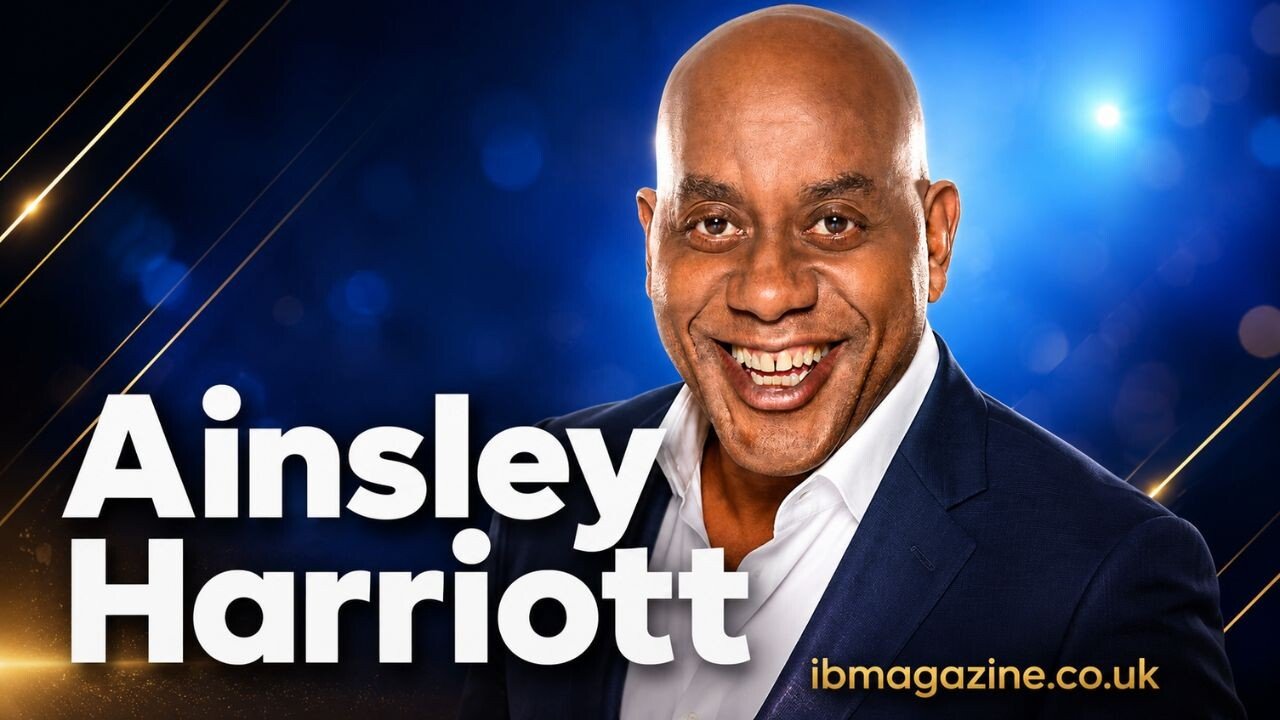
Ainsley Harriott is best known as a chef and television presenter, but his public career began with formal culinary training and practical work in professional London kitchens. Long before he became a familiar broadcasting figure, he learned the demands of restaurant service and developed experience as a live performer.
His later television style brought those two areas together. Professional cooking gave him the knowledge to explain food clearly, while performing taught him how to engage an audience. He subsequently expanded into publishing, branded food products and travel-based culinary programmes, receiving national recognition for his contributions to broadcasting and the culinary arts.
| Field | Details |
|---|---|
| Full name | Ainsley Denzil Dubriel Harriott |
| Born | 28 February 1957 in London |
| Nationality | British |
| Family heritage | Jamaican |
| Profession | Chef, television presenter and author |
| Culinary training | Westminster College |
| Early restaurant work | Junior trainee at Verrey’s in London’s West End |
| Honour | MBE for services to broadcasting and the culinary arts |
His Family Home Brought Cooking and Entertainment Together
Born in London on 28 February 1957, Harriott grew up in a British family with Jamaican heritage. His father, Chester Leroy Harriott, was a Jamaican-born pianist and entertainer. His mother, identified in published profiles as Peppy Strudwick, was a skilled home cook who regularly prepared food for relatives and guests.
In a direct interview, Harriott recalled that cooking, conversation and laughter were important parts of the household. His father’s professional circle brought entertainers into the family home, while his mother served food and created a welcoming setting for relatives and visitors. He has described this combination of food and performance as part of his personal and professional foundation.
He also confirmed having a sister and a brother. Although they shared the same upbringing, he noted that each sibling developed a different personality. His recollections do not present his character as something created solely for television. Instead, the energy associated with his broadcasting work had roots in a lively domestic environment where entertaining people often involved both food and humour.
Professional Training Prepared Him for London Kitchens
Harriott began culinary training at Westminster College at approximately 16. The institution is now associated with Westminster Kingsway College, although professional profiles sometimes use its historical and present names differently.
His early restaurant experience included working as a junior trainee at Verrey’s in London’s West End. He progressed into commis-chef work, gaining practical experience before broadcasting became a realistic career. Restaurant kitchens required preparation, technical competence and the ability to work under pressure—skills that later remained relevant when he began cooking live in a television studio.
This background separates his professional history from that of a presenter who learned cookery only after entering the media. He had already trained and worked in commercial kitchens before becoming publicly recognisable.
His experience also influenced the way he assessed other people in the workplace. Speaking in a 2021 interview, he said that when interviewing kitchen applicants, he looked beyond the reputation of their previous employers. Relevant experience still counted, but he also wanted to understand what the individual could contribute. He regarded passion as particularly important.
Live Performance Developed His Confidence With Audiences
Cooking was not Harriott’s only early professional interest. He formed a live comedy and performance partnership with his school friend Paul Boross, appearing at venues in Britain and abroad. In their later interview together, they recalled performing at established clubs, in the United States and even on flights.
Live performance required him to read a room rather than rely entirely on a fixed routine. Harriott explained that he sometimes did not know exactly how he would open until he saw the audience and sensed how people were responding. That ability to adjust became valuable when his work moved into broadcasting.
Humour was central to this approach. He has said that laughter can help people feel relaxed and comfortable, an outlook he connected both to his school years and to the atmosphere in his family home. He directly connected this approach to his school years and the atmosphere in his family home.
The performance experience provided an unusual bridge between restaurant work and television. He could demonstrate genuine culinary knowledge while also talking directly to an audience, responding to unexpected moments and keeping a live segment moving.
Early Broadcasting Required Practice and Preparation
Harriott entered television as a resident chef on a British morning programme in the early 1990s. Despite his experience in kitchens and live entertainment, he did not immediately find studio work easy.
He has recalled shaking during one of his first live appearances. The presenters entered the cooking area while his pans were already hot, and an unexpected moment involving one of them touching a pan increased the pressure. At that stage, he believed the mistake might bring his appearance to an abrupt end.
Repeated studio work gradually changed his response. He learned to check that ingredients and equipment were ready, remain calm and proceed with the demonstration. In his account, experience made an environment that had once seemed intimidating feel familiar.
This development is important to understanding his television career. His confidence was not presented as effortless or immediate. It grew from preparation, repetition and learning how the technical demands of a studio differed from those of either a restaurant kitchen or a comedy venue.
Daytime Television Made Him Widely Recognisable
After his initial work as a resident chef, Harriott became closely associated with BBC daytime cookery. He first participated as a chef before moving into a principal presenting role, eventually fronting 21 series of a major cooking format.
The programme brought members of the public together with professional cooks in a participatory cookery format. That setting suited his combined experience: he could discuss cooking with authority while keeping participants involved and making the process understandable for viewers at home.
His work was not limited to a single format. He also presented another public-participation cookery programme and later took his style to American television in 2000. These roles established him as both a working cook and a broadcaster able to manage live or fast-moving interactions.
He appeared in the long-running BBC format as a chef before later becoming its main presenter, making these two separate stages of his broadcasting career. What remained consistent was the combination of practical cookery and direct audience engagement.
Books and Food Products Expanded His Professional Work
Broadcasting provided Harriott with a wider platform, but his professional activity also moved into publishing. He produced numerous cookbooks centred on approachable home cooking, with editions connected to his television work as well as independently presented recipe collections.
The exact number of books varies between published profiles because revised editions, compilations, international versions and programme tie-ins are not always counted in the same way. His official biography reports that his books, including translated editions, have sold more than two million copies. That figure comes from his own professional platform rather than publicly available audited publisher data.
He also developed the Ainsley Foods range, extending his name into consumer food products. His official website continues to bring together recipes, product information and updates about current broadcasting work.
Formal recognition arrived through the 2020 New Year Honours, when he was appointed Member of the Order of the British Empire for services to broadcasting and the culinary arts. The appointment was recorded by the UK Government in December 2019. The wording of the honour acknowledged both sides of the career he had built: his work with food and his contribution to television.
Food, People and Community Continue to Motivate Him
Harriott has spoken directly about what sustains his interest after decades of professional work. In a 2024 food interview, he said that meeting people, hearing their stories and exploring different culinary traditions continued to excite him.
That interest has shaped programmes filmed in gardens, historic locations and communities outside conventional studios. While working with the National Trust, he visited three historic estates and learned about the care involved in preserving their cultivated spaces. He described the gardens as places where nature and community meet.
His comments focused on preservation, local involvement and the connections between ingredients, cultivated spaces and the communities around them.
Food also remains part of his family and social routine. Harriott has described a straightforward breakfast of sourdough toast, butter, homemade marmalade and coffee. At weekends, he enjoys preparing sweetcorn fritters with a poached egg, crispy bacon and hot sauce, sometimes cooking the meal for friends or relatives.
Those habits resemble the connection between food and hospitality that he remembers from childhood. Even so, they offer only a limited view of his routine and do not amount to a complete account of his diet or wider lifestyle.
His Recent Programmes Continue the Travel-and-Food Focus
Harriott remained active on ITV through 2025 and 2026. His recent work has continued to combine cooking with visits to particular regions, conversations with producers and an examination of how local ingredients are used.
A ten-part series that began on 3 January 2026 followed him through Nassau and neighbouring Paradise Island in the Bahamas. The programme covered Bahamian dishes and the people responsible for producing and preparing them. Its scope also extended to reefs, mangroves and aquaponic farms, connecting food with the natural and agricultural settings in which it develops.
Harriott’s official website announced the series in December 2025, and ITV subsequently carried it on its official platform.
His official website and social accounts remained active in August 2026, carrying recipes, food-product information and updates about television broadcasts. His main public profiles operate through the Ainsley Foods identity on Instagram and X, alongside an official Facebook page and a dedicated YouTube channel.
Harriott has previously used his recognised X account to warn followers about impersonators and possible scams. That distinction is relevant because another Instagram page using his name identifies itself as a fan account rather than an official profile.
From Professional Kitchens to a Lasting Broadcasting Career
Harriott’s career developed from practical culinary training into a broader body of work encompassing broadcasting, publishing and food products. His direct recollections also document the experience behind his confident screen presence, including early live-television nerves and the preparation that helped him overcome them.
His recent regional food programmes continue a professional interest in cooking, local traditions and the people who sustain them. The MBE awarded for services to broadcasting and the culinary arts formally recognised the two fields that have defined his public work.
You may also read: Caroline Hawley Has Worked in the Antiques Trade Since 1983.